"Asian Games will be a tactical race," says marathoner Kartik Karkera
प्रकाशित: 12-09-2026 | 03:14 PM
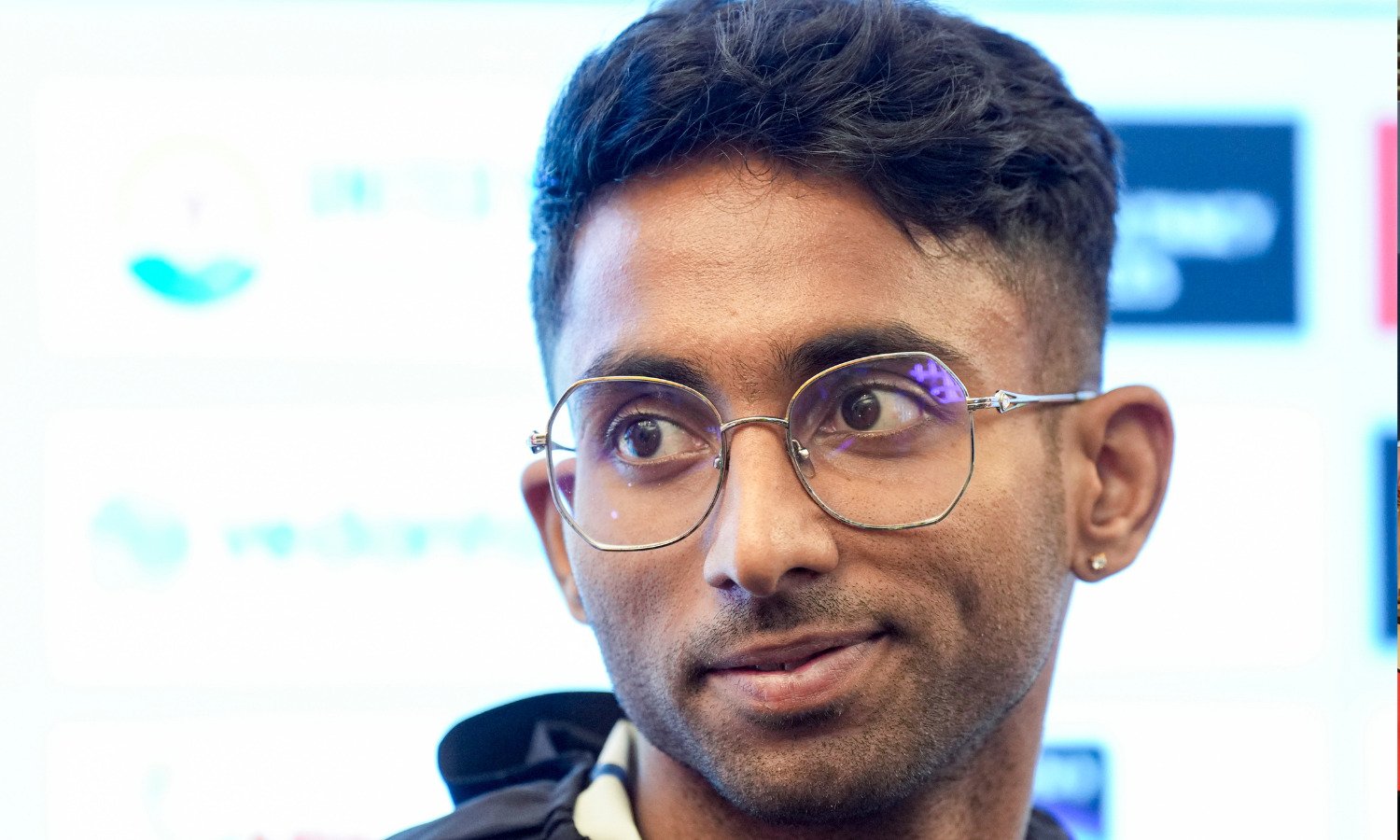
Asian Games debutant Kartik Karkera is aware of the challenge from faster runners in the men's marathon at Aichi-Nagoya but believes he has a genuine chance of finishing on the podium.Karkera, who has a personal best of 2:13:10, acknowledged that Japan's Yuya Yoshida and Ichitaka Yamashita, both sub-2:06 marathoners, have a significant advantage."Definitely, they have a big advantage and they are faster than the two Indian runners who will be competing in the marathon," Karkera said.Karkera and Sawan Barwal are the two Indian marathoners at the Asian Games, with the latter having clocked 2:11:58 this year."We don't know how their preparation has been in the last two or three months. They have ran in a very cool climate. It depends on how your preparation has been in the last few months and how you are feeling on that particular day," he said."If it's your day and you are ready, then no matter what conditions and what the personal best (the other) marathoners have, you will still get on the podium."Karkera expects heat and humidity to have a substantial impact on the race, making it a tactical contest."It will be a very tactical race… might start fast and then gradually slow down in the middle because of the humidity and the heat," he said.“We need to keep calm and see how the race goes, follow the leaders, whoever it will be, and make moves accordingly."Karkera said he is not targeting a personal best in his biggest competition yet, with the priority being a podium finish."Sometimes in a championship race, timing is not very important. But you have to get to the podium, that's the main goal," he said.Karkera, however, believes he is capable of breaking the 2:10 barrier and has already registered for his next big marathon in December, where he plans to focus on his timing."I'm capable of going around 2:10 and maybe faster than that. Considering if I train well and all my nutrition and everything (else) is well, so that’s the goal," he said.Karkera said his shape has not changed from the time he set his personal best. "The shape is still the same. I'm not better or not worse from my last marathon. It's still the same," he said.Karkera does not expect the two teammates to run as a pair throughout the race, but believes both have an equal chance of making the podium."Ultimately, we have to run our own races. We are actually teammates, we are representing our country. Both of us have a good chance to get on the podium and we will fight for that," he said."Sawan is a very good athlete. He has been running for a long time. I always knew that he would do very good in marathon running, which he had already done with breaking the longstanding marathon record."Karkera, who has a 1500m background, believes his speed could prove to be an advantage if the race comes down to the final few kilometres. “… that is one of my biggest advantages, that I have a very good aerobic speed," he said."Last year, I had my personal best in the 1500m so that is one of my biggest positives. For a marathon runner, it's very difficult to maintain speed but I've been able to do that.""If the race is of my pace, and then if I get down to the final few kilometres, then I think I would have a very good chance to get on the podium."Karkera has been balancing elite running with his career as an orthopaedic doctor, but said he has focused completely on preparation since May 1 after qualifying for the Asian Games."Before that, I was managing both working and then training as well. It has been quite challenging, but all my years at the university, internship, and post-graduation have taught me lessons and it made me very strong," he said.His medical background has also helped him manage the physical demands."This has been a huge help for me in my running journey because I have been running injury-free for a long time. I know a lot of things about sports medicine as well, which I apply to my training and eventually get the results," he said.Karkera also follows the journeys of leading distance runners such as Eliud Kipchoge, Sebastian Sawe, Yomif Kejelcha and Jakob Ingebrigtsen, but does not believe in copying their training methods."I do follow their journey. Most of the training, about 80 per cent, is almost the same," he said."We just can't blindly follow their training because we don't know what other factors add to their training, because they are high-class athletes. There is a lot of science behind it."Karkera also welcomed the growing running culture in India, saying the increasing popularity of recreational running could help the country's athletics ecosystem."It's a very good change. People are getting into fitness. It is kind of a fashion, and if it's keeping them healthy it's a great movement. I always say that movement is medicine," he said. (Except for the headline, this story has not been edited . It is published from a syndicated feed.)