Asian Games’ USD 50 Million Opening Ceremony raises cost questions
प्रकाशित: 19-09-2026 | 05:32 PM
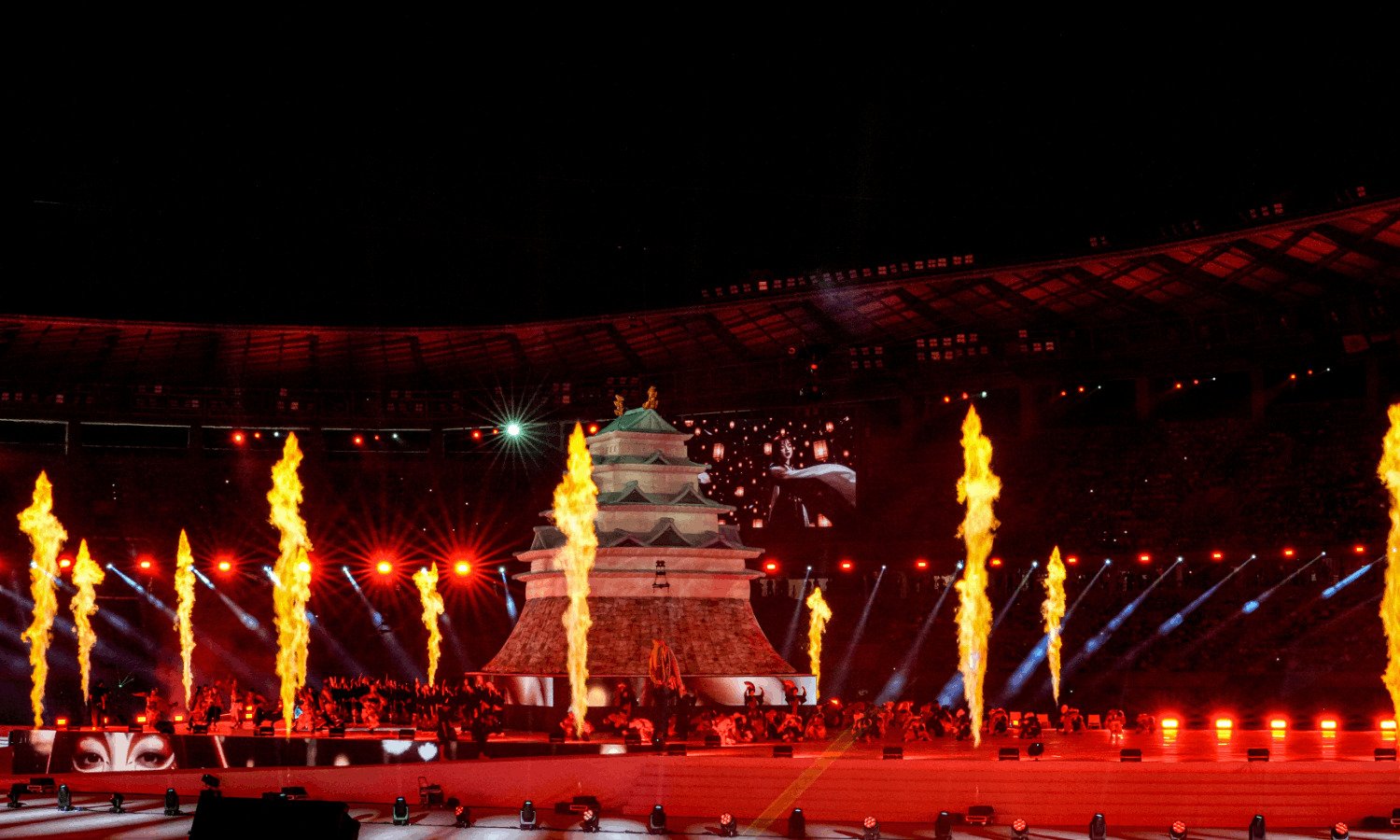
The Aichi-Nagoya Asian Games have presented a striking contrast in spending priorities: a reported USD 50 million has gone towards the opening ceremony, while orgsers opted for a cost-cutting accommodation model that avoided building a traditional Athletes’ Village.According to media reports, the opening ceremony costs have risen ¥2 billion, with months of preparation going into the show at Mizuho Park Athletic Stadium in Nagoya. The reported spend has drawn attention because of the contrasting approach to athlete accommodation.Instead of constructing a dedicated Games village, orgsers have housed athletes and officials across hotels, temporary container-style accommodation and the cruise ship Costa Serena. The Olympic Council of Asia has defended the decision, arguing that a permanent village could have become an expensive underused asset after the Games.The Asian Games 2026 have officially begun in Aichi-Nagoya, and Team India is in the house 🇮🇳🔥The opening ceremony has kicked off the 20th edition of Asia's biggest sporting showdown.The Indian contingent stepped out ready to chase glory, with thousands of athletes and a… pic.twitter.com/J4m98boN2N— The Bridge (@the_bridge_in) September 19, 2026 The alternative model has nevertheless faced operational challenges.Athletes have reported concerns over cramped rooms, bed sizes, room allocations and transport, while several contingents have experienced delays and accommodation shortages. India has also had to make separate arrangements for some members of its cricket team.That creates the central spending question around Aichi-Nagoya: how should a major sporting event balance the global spectacle of its ceremonies with the everyday requirements of the athletes competing in it?The opening ceremony is one of the most visible components of a multi-sport Games, designed to showcase the host city and country to an international audience. Accommodation, meanwhile, is functional infrastructure that directly affects athletes’ preparation and recovery.The orgsers’ decision reflects a broader attempt to deliver the Asian Games without creating amounts of permanent infrastructure. But the reported USD 50 million ceremony spend, alongside complaints over accommodation and coordination, has brought that cost-saving strategy under greater scrutiny.With around 17,000 athletes and officials participating across 43 sports, Aichi-Nagoya is now being judged not only on the spectacle it can deliver, but also on how effectively it can manage the basics for those competing at the Games.