Asian Games 2026: Venues, Weather and Travel Guide for Indian Fans
प्रकाशित: 15-09-2026 | 07:48 PM
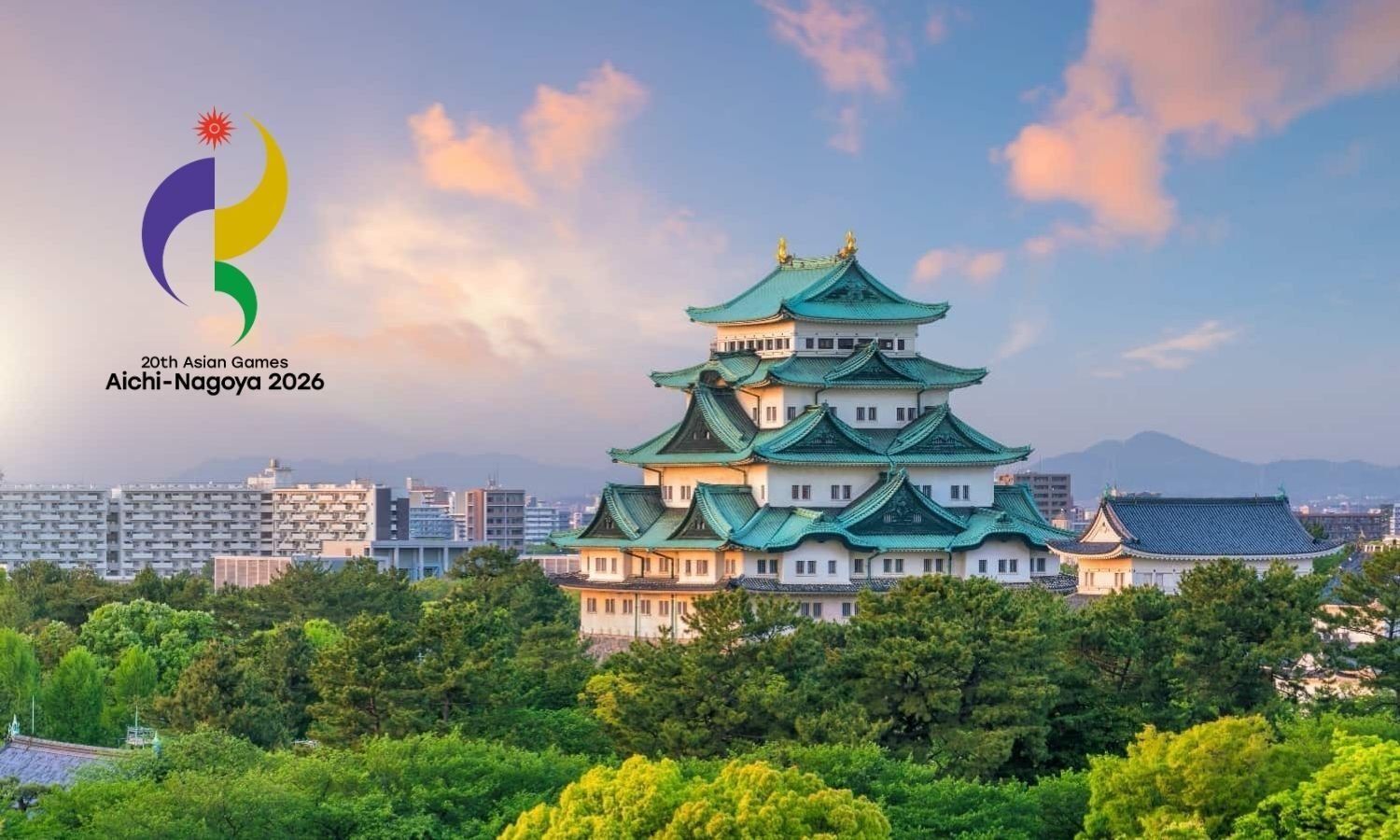
The 2026 Asian Games will not be confined to a single sporting complex. Aichi-Nagoya 2026 will be spread across 54 venues, with competitions taking place in Nagoya and elsewhere in Aichi as well as Gifu, Shizuoka, Osaka and Tokyo.The Asian Games will officially run from September 19 to October 4, although some competitions begin earlier. For Indian fans travelling to Japan, knowing where the venues are, what the weather will be like and how to get around can make a major difference to the trip.Where are the Asian Games 2026 venues?Nagoya is the main base for the Games, and staying in a central area such as Sakae, Meieki or Kanayama is recommended. The city's subway network makes several major venues relatively easy to reach.The Paloma Mizuho Stadium will host the opening and closing ceremonies as well as athletics. It can be reached from Mizuho Undojo-Higashi Station on the Meijo Line or Mizuho Undojo-Nishi Station on the Sakura-dori Line.The Aichi International Arena, or IG Arena, will host basketball and judo. It is directly accessible from Meijo-koen Station.The Nagoya City General Gymnasium, also known as Rainbow Hall, will host gymnastics and water polo and is around a five-minute walk from JR Kasadera Station.Other sports are further away. Badminton will be held at Ichinomiya City Gymnasium, football at venues including Toyota Stadium, hockey at Gifu Green Stadium and cricket at Korogi Athletic Park in Nisshin.Fans should pay particular attention to their tickets when planning travel. Swimming and diving will be held at the Tokyo Aquatics Centre, meng spectators will need to make a separate trip from Nagoya.What is Nagoya weather like during the Asian Games?Indian fans travelling in late September should not expect cool autumn weather. September in Nagoya remains warm and humid, while October brings noticeably cooler conditions.The average September temperature is around 24.5°C, with typical highs of 29.1°C and lows of 21°C. September is also one of Nagoya's wettest months, with around 232mm of rainfall.October is cooler, with a mean temperature of around 18.6°C and typical highs and lows of 23.3°C and 14.8°C.A typhoon can also disrupt travel in September, potentially affecting outdoor competitions and train services. Fans should therefore keep some flexibility in their itinerary.For September, pack breathable clothing, sunscreen, a cap and a compact umbrella or rain jacket. Those attending night sessions in early October should carry an additional light layer.How to travel around Nagoya during the Asian GamesPublic transport will be the easiest way to reach most venues. Orgsers expect spectators to use public transport, and several venues have limited or no spectator parking.The Meitetsu μ-Sky connects Chubu Centrair International Airport to Nagoya Station in around 28 minutes. Within the city, the subway is the most convenient oon.A Manaca or other compatible Japanese IC card, such as Suica or Pasmo, can be used across the subway, city buses and many private railway services.Fans should remember that city transport passes do not cover every journey. Trips on Meitetsu trains to Toyota, the Aonami Line to the port area, JR services and Shinkansen journeys require separate fares.Where can the fans stay?Sakae is a strong choice for fans who want restaurants, nightlife and convenient subway access. Meieki, around Nagoya Station, is better for visitors planning airport transfers or day trips to Tokyo and Kyoto.Kanayama and Fushimi are alternatives for fans looking for a slightly quieter base.It is better not to prioritise accommodation immediately around Paloma Mizuho Stadium. The surrounding area is largely residential and has relatively few hotels.Five travel tips for Asian Games 2026Check the venue on your ticket before travelling. Not every event is in Nagoya.Allow extra time on ceremony and athletics days, when transport around Mizuho can become busy.Carry both cards and some cash, particularly for smaller venues.Get a SIM or eSIM before arriving, as mobile data will be useful for e-tickets and navigation.Keep a weather backup plan. Indoor sports such as badminton, basketball, gymnastics and judo can be useful alternatives if rain disrupts outdoor plans.What to do and eat in Nagoya between Asian Games sessionsFans with a few hours between competitions can use the Games as an opportunity to explore some of Nagoya's best-known attractions. Ōsu shopping district is a good oon for a relaxed afternoon, with more than 1,200 shops, cafés, restaurants and street-food spots, while the nearby Ōsu Kannon temple offers a quieter stop.For a more traditional experience, Atsuta Shrine is set in a wooded area and can be explored in around an hour or two. Nagoya Castle is another popular attraction for history enthusiasts, although its main keep is currently closed for renovation. The Tokugawa Garden offers another quieter break from the city.If you have a longer window in your schedule, Ghibli Park is one of the city's biggest attractions. Located in Aichi Commemorative Park on the outskirts of Nagoya, it features immersive spaces inspired . Advance planning is recommended for visitors hoping to include it in their itinerary.Nagoya is also known for its local food. Fans should try miso katsu, the city's take on tonkatsu served with a rich red-miso sauce, and ogura toast, a popular breakfast made with thick toast, red bean paste and butter. Kishimen, a Nagoya-style flat udon, is another local speciality.For fans with a full free day, Shirakawa-go in Gifu Prefecture is another possible day trip from Nagoya, offering traditional Japanese architecture and a very different experience from the city.